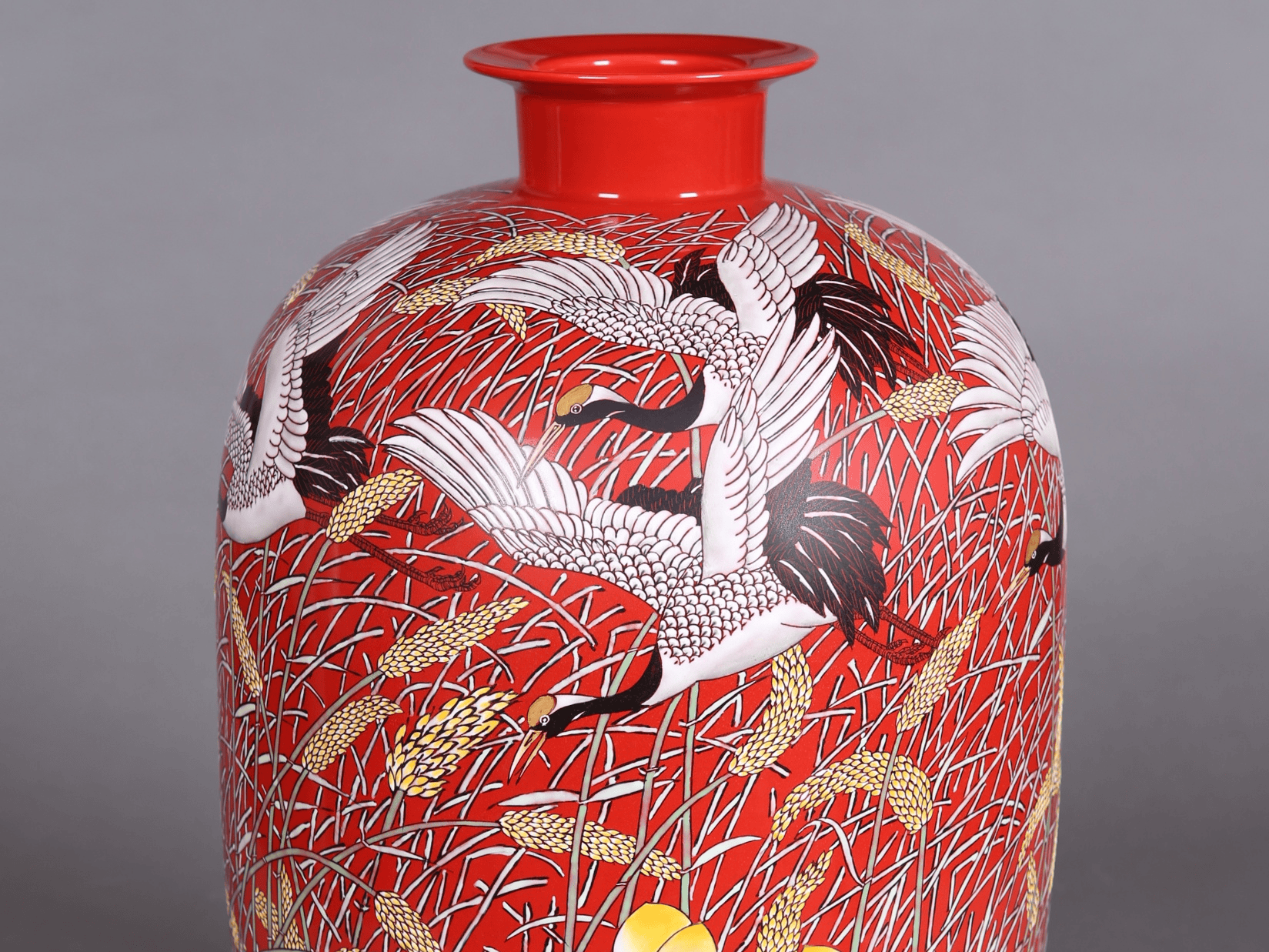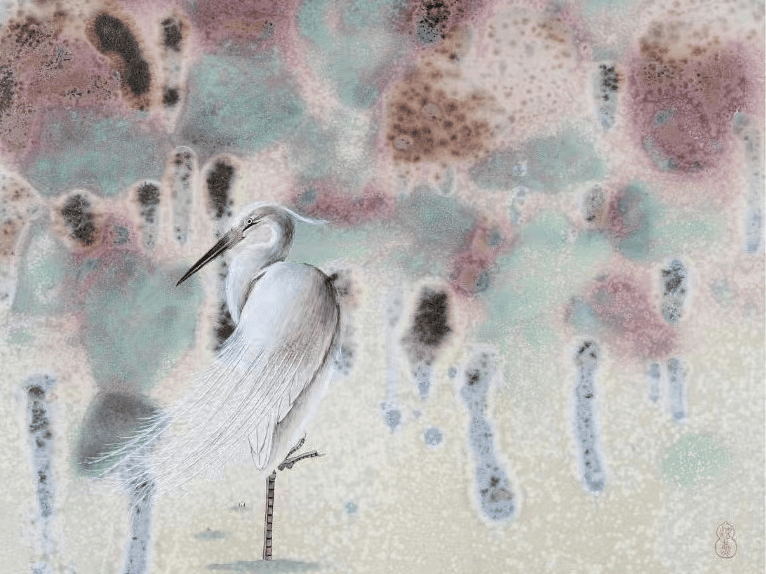
Porcelain creation embodies a outstanding craft version with a expansive background, running back legions of centuries. From ancient urns to cutting-edge displays, the stuff offers unsurpassed possibilities for creative rendering. Designers employ multiple techniques – including assembling, wheel operating, and sophisticated firing processes – to convert humble terracotta into pleasing three-dimensional works. The permanence of fired earthenware also contributes to its status as a truly memorable part of human custom.
Researching Ceramic Panel Styles and Procedures
The area of ceramic badge design offers a considerable array of creative possibilities. Designers often incorporate a combination of heritage-based and recent techniques to fabricate visually spectacular pieces. These can vary from simple, crafted reliefs to complex, multi-layered assemblies. Conventional methods include slip casting, forming by hand, coating application – which can involve different modes like underglaze painting, post-firing embellishment, and engraved motif where designs are disclosed by taking away a layer of finish. More investigation into top layers such as raku and lustering can produce truly unique and bespoken terracotta signs.
- Pattern Casting - Constructing pieces using a pattern
- Sculpting by hand - Directly shaping the terracotta
- Surface Finishing - Layering the face with a glass-like finish
- Scraped detail - Showing designs by abrading coatings
Fascinating Experiences: Stoneware Art Presentations
The evolving landscape of culture presents exciting cutting-edge avenues for participants, and ceramic art installations are at the summit of this transition. These aren't just static pieces; they are designed to envelop the participant in a sensory atmosphere. Imagine walking through a forest of towering, decorated ceramic trees, or navigating a network of refined ceramic vessels. Many craftsmen are now incorporating tones, illumination, and even bouquet to enhance the impact of their work. Contemplate the power of a room filled with hundreds of meticulously ceramic objects, each telling a legend. Frequently, such installations analyze themes of environment, heritage, and people.
- These particular installations blur the limits between sculpture and building.
- Experiencing a ceramic art installation can be a deeply moving journey.
- Artists are challenging the edges of what is conceivable with clay.
Any Grace of the Stoneware Pot: Application and Shape
The stoneware vessel represents a lovely union of utility and expressive appeal. Historically, these canisters served a essential mission in holding plants, but their maturation has transformed them into highly valued works of craft. Each work showcases the know-how of the craftsman, demonstrating how configuration can be as meaningful as function. The meticulous shaping, the individual glazes, and the overall presence of a expertly-built holder can raise a space, offering both elegance and a modest reminder of the maker’s hand.
Modern Earthenware Figure : Testing Boundaries
Current earthenware figure represents a fascinating development from traditional practices. Makers are vigorously challenging with modern procedures, questioning the distinctions between pottery and distinct aesthetic areas. From considerable installations to ornate miniature pieces, these works investigate themes of environment while together revolutionizing the core of what stoneware can realize. The byproduct is a active sphere of expressive articulation.
Porcelain Plate: Upholding Record in Stoneware
Porcelain plaques offer a exclusive method for preserving significant events and personalities. In contrast to traditional metal or stone markers, these sturdy pieces of mastery are formed from kilned clay, creating a material link to the history. Regularly, they display intricate reliefs or hand-painted imagery, revealing stories that might otherwise be disremembered. A technique, stemming from ancient tribes, Magic Cube Ceramics provides a visually appealing and permanent way to honor our collective record.
- The described can be positioned in shared spaces.
- Numerous are now accepted historical remnants.
Stoneware Art Creations: Transforming Sites
Porcelain art installations are becoming a powerful medium for artisans to reinvent public and private venues. These immersive compositions frequently involve extensive clay objects that draw viewers, changing their experience of the built environment. By integrating diverse processes like hand-building and advanced firing techniques, ceramic artists fashion truly uncommon experiences, dissolving the frontiers between design and venue. The product is often a poignant conversion that enhances the creative quality of the setting and cultivates exchange.
Outset Turning Device to Wonder: The Method of the Ceramic Urn
The journey of a brick urn from a simple lump of terracotta to a refined work of production is a testament to human inventiveness. Classicall, the process commences with the potter’s rotary device, where the talented artisan forms the rotary mud into a cylindrical profile. This initial step demands skilfulness and a trained eye, followed by a delicate solidifying period. Once bisque-fired, the urn is ready for finishing, which may include coating intricate figures, engraving detailed depictions, or implementing a assortment of varnishes. The closing firing process then changes the product into a durable and eye-catching pot, a tangible manifestation of the artist's passion.
Pottery with Pottery: A Course to Brick Art
Entering the field of terracotta production begins with grasping the essentials of carving with terracotta. One process requires methodically assembling and excising stuff to generate three-dimensional structures. Whether you're a beginner or a experienced craftsperson, testing with diverse classes of stoneware – specifically pottery – will advance you identify your idiosyncratic expression. After all, brick forming is a valuable journey that combines dexterous mastery with inspired exhibition.